Why Pressure Gauges Are Essential in Wastewater Treatment Equipment
- Share
- Issue Time
- Jun 30,2026
Summary
Why Pressure Gauges Are Essential in Wastewater Treatment Equipment
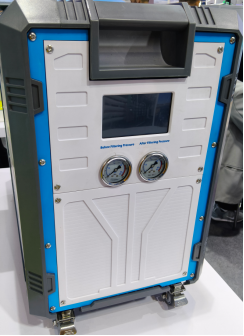
Pressure gauges are small instruments, but they play an important role in almost every stage of modern wastewater treatment systems. Whether installed on filtration skids, membrane separation units, chemical dosing systems, or pumping stations, pressure gauges provide operators with critical information about the operating condition of the equipment.
Monitoring Pump Performance
Pumps are widely used in wastewater treatment to transport raw water, sludge, chemicals, and treated effluent. Pressure gauges installed at the suction and discharge sides of pumps help operators verify whether the pump is working within its designed operating range.
An unexpected drop in discharge pressure may indicate wear of the impeller, leakage, or insufficient liquid supply. Conversely, abnormally high pressure can suggest downstream blockages or valve malfunctions. Continuous pressure monitoring allows maintenance personnel to detect problems before they cause equipment failure.
Protecting Filtration and Membrane Systems
Pressure gauges are particularly important in filtration equipment such as sand filters, activated carbon filters, ultrafiltration (UF) units, and reverse osmosis (RO) systems.
In these applications, gauges are commonly installed before and after the filter element. The pressure difference between the inlet and outlet, known as differential pressure, is an indicator of fouling. As suspended solids accumulate inside the filter media or membrane, the pressure drop gradually increases.
By monitoring this trend, operators can determine the optimal timing for backwashing, chemical cleaning, or membrane replacement. This practice helps maintain treatment efficiency while reducing unnecessary maintenance costs.
Ensuring Stable Chemical Dosing
Many wastewater treatment processes require the addition of chemicals such as coagulants, disinfectants, pH adjusters, or antiscalants. Pressure gauges mounted on dosing pumps and chemical pipelines provide a simple method for confirming that chemicals are being delivered at the intended rate.
Pressure fluctuations may indicate clogged injection points, air trapped in the pipeline, or pump diaphragm problems. Early identification of these issues helps ensure consistent water quality and regulatory compliance.
Improving Operational Safety
Pressure gauges also contribute to plant safety. Excessive pressure can damage pipes, vessels, membranes, and valves, potentially leading to leaks or unplanned shutdowns. Operators can use gauge readings together with pressure switches or relief valves to maintain safe operating conditions.
Although pressure gauges are relatively inexpensive instruments, they provide valuable real-time information about system health. Their ability to support process monitoring, preventive maintenance, and equipment protection makes them indispensable components in wastewater treatment facilities around the world.